
You don’t need expensive equipment, specialized training, or high fitness levels to start. A comfortable pair of shoes and a nearby trail are enough to begin experiencing the physical and mental benefits hiking offers.
One of hiking’s quieter qualities is how it naturally pulls your attention away from daily worries. Your mind shifts and becomes present in the surroundings.
That mental shift happens whether you’re going a mile or five.
What Is Hiking?
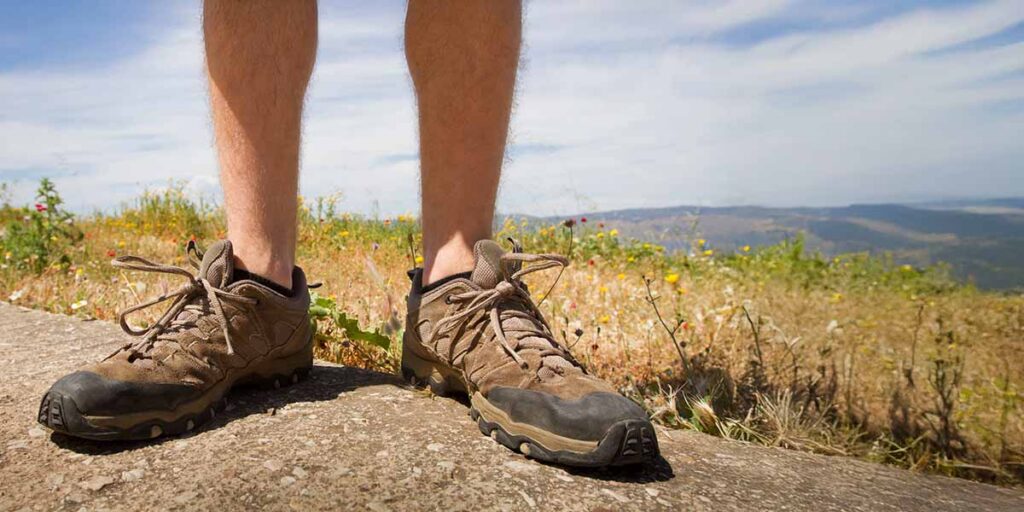
Hiking means walking outdoors through countryside, forests, or national parks, usually on designated trails. Some routes follow old footpaths or animal-created paths through natural areas.
Getting started doesn’t take much:
- For easier, well-maintained trails, regular athletic shoes often work fine.
- More demanding trails with rocky terrain or elevation changes need hiking boots that provide ankle support and traction.
- For extended hikes, bring a backpack with water, snacks, and basic safety supplies.
The activity takes many forms, from gentle nature walks to challenging mountain ascents. Regardless of age or fitness, you can find trails that match where you are right now.
Cardiovascular Health
Hiking provides solid cardiovascular exercise, particularly on trails with hills and elevation changes. The variations in terrain force your heart to work harder than flat walking.
The American Heart Association recommends 150 minutes of moderate-intensity aerobic activity weekly.
Hiking meets that standard.
It feels more like an outing than exercise, and that distinction helps people stay consistent, which is what produces lasting results.
Research shows regular hiking can reduce heart disease risk, lower blood pressure, and improve cholesterol levels. These benefits build over time.
Full-Body Work on Natural Terrain
Unlike a treadmill, hiking trails provide uneven surfaces and small obstacles that engage your core and improve balance in ways flat walking doesn’t.
A moderate one-hour hike typically burns 400-550 calories, depending on your weight, pace, and terrain. More challenging trails with significant elevation gain can burn more.
Stepping over a log, adjusting to a slope, or picking across rocks doesn’t look like a gym session.
Your body counts it as one.
That functional strength matters for older adults who want to stay independent.
Balance and Stability
The slightly uneven surfaces on hiking trails naturally develop better balance and proprioception, which is your body’s awareness of its own position in space.
These skills decline with age.
Trails give them a reason to rebuild.
If you have concerns about balance, vision, or joint strength, trekking poles offer real added security:
- Choose poles with spiked metal tips for soil or wet grass.
- Plant the pole ahead of you as you walk to reduce stress on the knees.
- Poles distribute effort across your arms and upper body, which reduces overall fatigue.
Many hikers find poles increase confidence on challenging terrain even when they don’t feel strictly necessary.
Stress Relief Outdoors
Time in natural environments reliably reduces stress. Research published across health journals shows that time in nature lowers cortisol, reduces blood pressure, and decreases heart rate.
The Japanese practice of “forest bathing” (shinrin-yoku) has generated substantial research confirming these effects.
Chronic stress contributes to hypertension, heart disease, and diabetes, so anything that consistently brings it down has real health value.
Being outside, away from screens and notifications, produces a kind of mental clarity that’s hard to replicate indoors.
The American Hiking Society provides thorough information on hiking’s stress-reduction benefits with links to the underlying research.
Mental Health and Cognition
Regular time in nature and physical activity together create strong effects on mood, anxiety, and overall psychological wellbeing. Studies show time outdoors improves problem-solving, enhances creativity, and sharpens focus.
A 30-minute hike can produce measurable improvements in mental clarity.
For people dealing with depression or anxiety, hiking provides both immediate mood improvement and longer-term support. The combination of physical activity, nature exposure, sunlight, and social connection when hiking with others addresses several things at once.
Many hikers describe a sense of mental restoration that persists well after the hike ends. That sense of perspective and quiet doesn’t come from screens. Psychology Today’s hiking and mental health articles regularly cover the research behind it.
Other Benefits Worth Knowing
Beyond the major areas above, hiking contributes to several other aspects of health:
- Bone density: Weight-bearing exercise like hiking helps maintain and build bone density, which matters for preventing osteoporosis with age.
- Sleep quality: Physical activity combined with natural light exposure helps regulate circadian rhythms, leading to better sleep.
- Immune support: Regular moderate exercise and time in nature both support healthy immune function.
- Social connection: Group hiking provides interaction that pushes back against isolation, a genuine health risk for many older adults.
Making Hiking a Regular Practice
Start with shorter, easier trails and increase distance and difficulty gradually as your fitness improves. Even 30-minute walks on local nature trails several times a week produce meaningful health improvements.
Consistency matters more than distance. Three short hikes a week do more than one long one.
The AllTrails app and website helps you find trails near you, with difficulty ratings, distance information, and user reviews. It makes finding appropriate trails straightforward at any experience level.
Many areas have hiking groups specifically for beginners or seniors, which typically maintain moderate paces and choose accessible trails. Sites like Section Hikers and The Trek offer practical perspectives from everyday hikers, not just experienced ones.
Where to Start
Find a nearby trail, wear comfortable shoes, and go. The benefits don’t wait for a certain fitness level.
- Hiking adapts to your current abilities and health status.
- There’s no minimum distance you need to cover.
- What matters is getting outside and moving regularly.
The physical and mental clarity that comes from hiking makes it one of the most rewarding things you can build into a week at any age.
This is general information, not medical advice. If you have a heart, lung, joint, or balance condition, ask your doctor what distance and terrain make sense before you set out.